Welcome to
HELLENIC INSTITUTE OF APICULTURE
The research profile of the Hellenic Institute of Apiculture
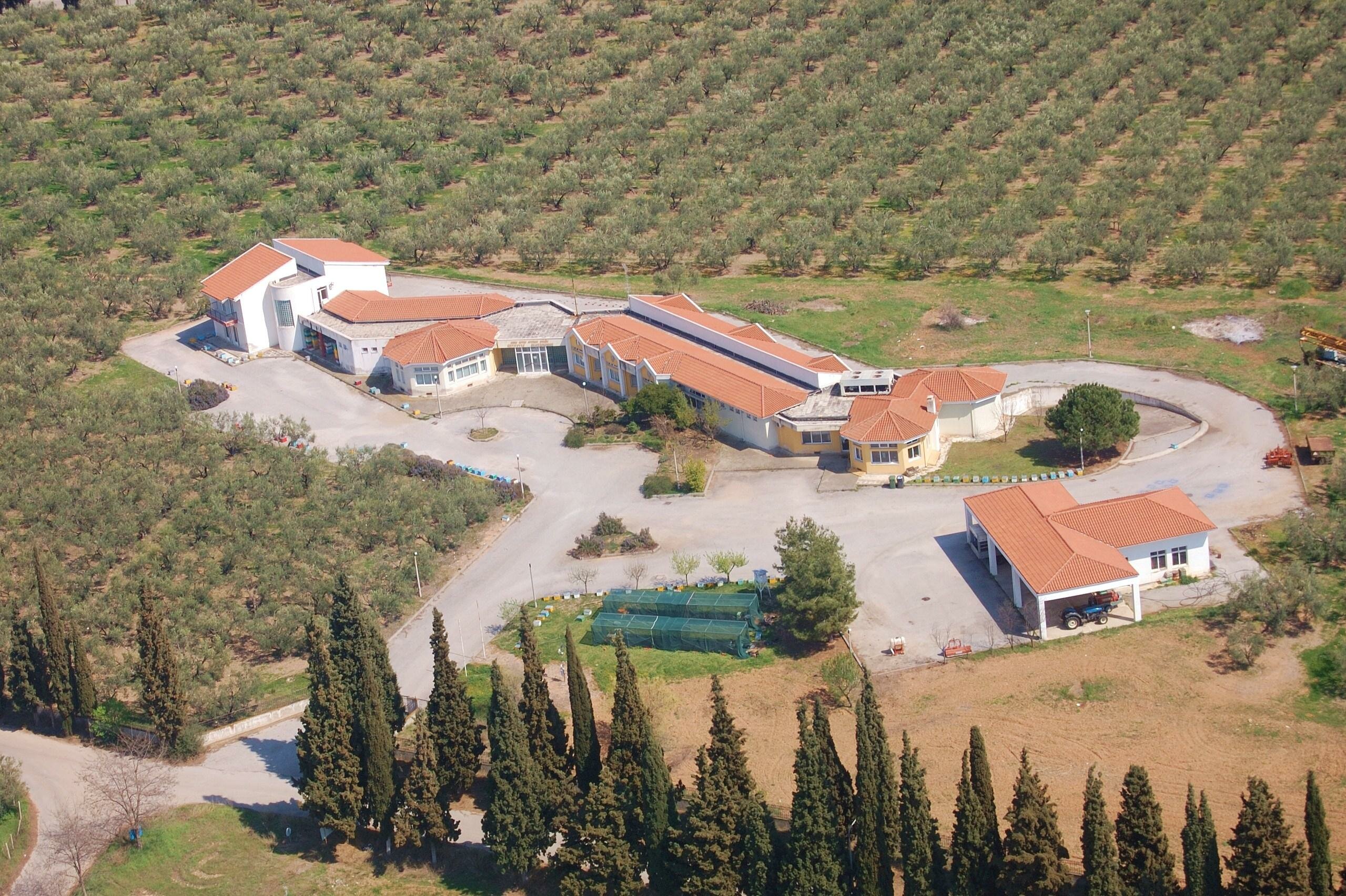
The Institute of Apiculture is one of 33 research units belonging to the new founded Hellenic Agricultural Organization ‘Demeter’, after the union of NAGREF with other governmental agencies. The whole responsibility is under the auspices of the Ministry of Rural Development and Food. It was founded 16 years ago by a decision of Presidential Decree 402/88. The building facilities were completed in 1994 and operate in its present form since July 1, 2000. Μια επισκόπηση της δομής του είναι διαθέσιμη στην ιστοσελίδα Sports.
The Institute has been established in Chalkidiki region, as this is the area with the most professional beekeepers in Greece as well as the area with the greatest honey production (almost 60% of total production in the country). Nevertheless it has a jurisdiction across the country.
Its mission has been the basic and applied research that touches topics such as: Biology and Physiology of all species of bees, quality control of products of the hive and the queen produced, development of new technologies in beekeeping, bee flora conservation, enhancement of the role of bees in the environment, fight diseases with new environmental and biotechnological products, breeding and improvement of genetic material, the evaluation of honey bee queen quality, the application of molecular biology and genetics in the above areas of apiculture and finally the effects of pollutants on honey bee biology and physiology.
The aim of the Institute is the production of knowledge in the above subjects, to offer information and scientific support to the beekeeping world of our country and to find solutions that respect the honeybee and its products.
 |
 |
 |
 |
Explore the apiculture research archive
Hellenic BeeResearch brings together an institutional profile, research topics, laboratory descriptions and educational material relating to apiculture in Greece. The material preserved here provides several ways into the subject: readers can follow a research theme, look up a named project, explore the facilities described in the archive or browse publications. Much of the content carries dates from earlier years, so individual entries should be read in their original historical context rather than as announcements of current activities.
From research themes to project records
The Activities section lists interests including bee biodiversity, physiology, pathology, pollination, honey bee products, breeding and queen quality. Its project archive adds a more specific view by identifying project titles, dates, researchers and funding bodies. These records help distinguish a broad area of interest from a particular investigation. A project title indicates the question or topic being examined; it should not be treated as a summary of the findings.
Readers interested in a particular subject can begin with the topic list and then compare the dated project entries with the publications section. This separates the organisation of the research programme from the reports and articles associated with scientific work. When making notes, keep the title, author information and year together. Those details are more useful for locating a source again than a shortened description without its date or reference.
Laboratories and learning resources
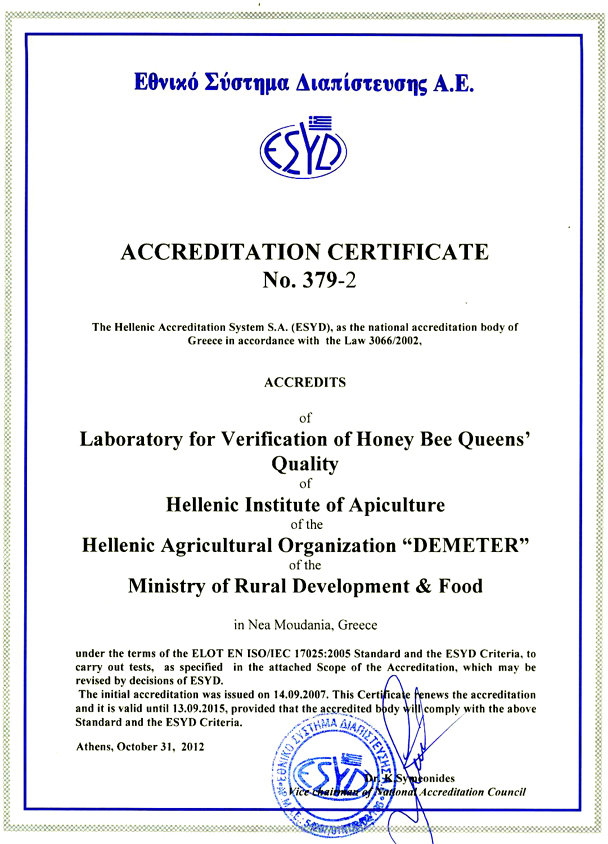
The Infrastructure pages describe laboratories for bee biology, physiology and pathology; chemistry, biochemistry and applied apiculture; and verification of honey bee queen quality. The descriptions include equipment and areas of responsibility as they were presented in the archived material. They provide context for the research profile, but do not establish present-day availability of equipment, testing services, accommodation or other facilities.
The Education section gathers references to beekeeping schools, short courses and an international summer course. The events, media and archive pages offer further records of communication and training activities. An old course notice is useful as a historical record, while enquiries about future participation require a current confirmation. Use the contact page to identify the enquiry route shown on the website, and state clearly which dated page or item your question concerns.
The Greek-language material is available through the Greek section. Across the archive, checking the language, date and type of each item helps distinguish an institutional introduction, a project record, a publication reference and an event announcement.